
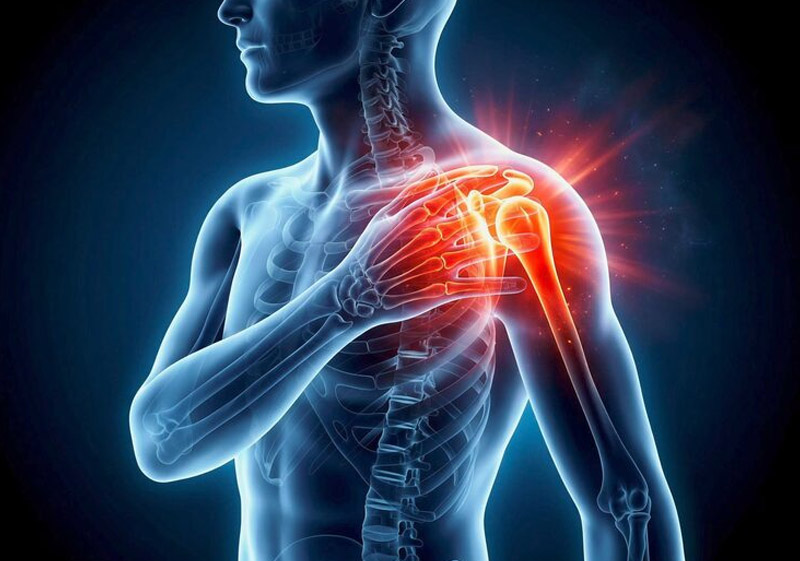

Regain Shoulder Stability with Expert Dislocation Treatment in Chennai

Shoulder dislocation is a common injury that can result from falls, accidents or sports activities. Proper treatment and rehabilitation can help restore shoulder function and reduce the risk of future instability. Depending on the severity, Dr. Kanniraj provides comprehensive care for patients with shoulder dislocation and recurrent shoulder instability— with treatment matched to whether this is a first-time injury or recurrent instability.

Shoulder Dislocation Treatment in Chennai

When the shoulder slips out of place

  • Visibly out-of-place or deformed shoulder
  • Severe pain and inability to move the arm
  • Swelling and bruising around the joint
  • Numbness or weakness down the arm

Why the shoulder is prone to dislocation

The shoulder is the body's most mobile joint, held in place primarily by soft tissue — the labrum, ligaments, and rotator cuff — rather than bony structure. This mobility is what allows such a wide range of motion, but it also makes the joint more prone to slipping partially (subluxation) or fully (dislocation) out of place, usually from a fall, direct blow, or forceful overhead movement.

First-time vs. recurrent dislocation

A first-time dislocation, especially in an older patient, often responds well to non-surgical treatment. Younger, more active patients — and anyone experiencing repeat dislocations — carry a higher risk of ongoing instability, since each dislocation can further stretch or damage the structures holding the joint in place.

Orthopaedic Shoulder Surgeon Chennai

Immediate care matters

A dislocated shoulder needs prompt professional reduction (repositioning) rather than attempting to fix it yourself, along with an assessment to rule out associated fractures or nerve involvement.

Non-surgical management vs. arthroscopic stabilization

The right path depends on how many times the shoulder has dislocated, your age and activity level, and what imaging shows about structural damage.

FactorNon-Surgical ManagementArthroscopic Stabilization
Typically used forFirst-time dislocation, lower-risk patientsRecurrent dislocation or significant structural damage
ApproachReduction, immobilization, structured physiotherapyRepair of torn labrum or ligaments (e.g. Bankart repair)
GoalRestore function while minimizing recurrence riskDirectly repair the structural cause of instability
Recovery patternGradual return to activity over weeksStructured, months-long rehabilitation before full return to sport

Recovery is milestone-based, not calendar-based

1

Phase 1

Protection & Healing
Immobilization or sling use to allow initial healing of injured structures.

2

Phase 2

Range of Motion
Gradual, guided restoration of shoulder movement as pain allows.

3

Phase 3

Strength & Stability
Rotator cuff and shoulder-stabilizing muscle strengthening to support the joint.

4

Phase 4

Return to Activity
Sport- or activity-specific training, cleared once strength and stability benchmarks are met.

Dealt with a shoulder dislocation, or worried about a repeat?

Book a consultation to get a clear plan for treatment and prevention.

FAQ

Questions about shoulder dislocation treatment in Chennai

What should I do immediately after a shoulder dislocation?

Seek prompt medical attention for reduction by a trained professional rather than attempting it yourself, as improper reduction can cause further injury. Emergency evaluation also rules out associated fractures or nerve involvement.

Will my shoulder dislocate again after the first time?

Risk of recurrence varies with age and activity level, with younger, more active patients generally at higher risk of repeat dislocation. A structured rehabilitation program after the first dislocation helps reduce this risk.

Do all shoulder dislocations need surgery?

No. Many first-time dislocations are managed successfully with reduction, a period of immobilization, and physiotherapy. Surgery is more often considered after recurrent dislocations or significant structural damage.

What is arthroscopic shoulder stabilization?

Arthroscopic stabilization repairs the torn or stretched structures — commonly the labrum (Bankart repair) — that failed to hold the joint in place, using small incisions and a camera-guided approach.

How long until I can return to sport after shoulder stabilization surgery?

Return to sport typically follows a structured rehabilitation program spanning several months, progressing from immobilization to strengthening to sport-specific training.

Book an Appointment