
Home / Hip Treatments / Hip Replacement Surgery
Advanced Total Hip Replacement Surgery in Chennai
Hip replacement surgery in Chennai can help patients experiencing severe hip pain, stiffness and difficulty walking due to joint damage or advanced arthritis. The procedure involves replacing the damaged parts of the hip joint with an artificial joint to improve mobility and reduce pain. For severe arthritis or hip fractures, Dr. Kanniraj uses advanced techniques for total or partial hip replacement — and hip resurfacing for select patients — promoting pain relief and improved mobility.
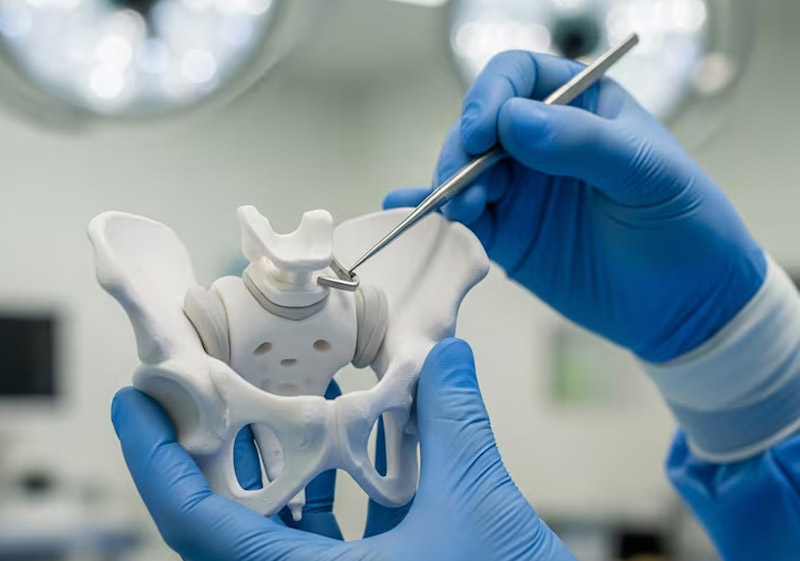
Total, partial hip surgery and resurfacing — which is right for you?
Total Hip Replacement
Both the socket and the femoral head (ball) are resurfaced with a prosthetic implant. Generally recommended for widespread arthritis affecting the whole joint.
Partial Hip Replacement
Also called hemiarthroplasty, only the femoral head is replaced. Most often used for certain hip fractures where the socket itself remains healthy.
Hip Resurfacing
The femoral head is capped with a metal covering rather than removed entirely, preserving more natural bone. Considered for select younger, active patients with strong bone quality.
What the new joint surface is made of
- Affects long-term durability and wear rate
- Influences range of motion after surgery
- Tailored to your age and activity level
- Discussed and finalised during pre-op planning

Metal and ceramic components
Modern hip implants typically combine a metal (titanium or cobalt-chrome) stem and shell with a bearing surface — the part that actually moves — made of ceramic, highly cross-linked polyethylene (a durable medical-grade plastic), or a metal-on-polyethylene combination. Each pairing has a different wear profile and is selected based on your bone quality, activity level, and age.

Fixation method
Implants are fixed to bone either with surgical cement or through a "press-fit" cementless design that allows bone to grow directly onto a textured implant surface over time. The choice depends on bone density and quality, assessed during pre-operative imaging.

Surgical approach
Hip replacement can be performed through different surgical approaches — commonly anterior, posterior, or lateral — each with a different muscle-sparing profile and recovery pattern. The most suitable approach is selected based on your anatomy, the type of implant used, and the surgeon's assessment during consultation.
Signs that replacement may be the right next step
- Severe, persistent arthritis pain unresponsive to conservative treatment
- A hip fracture from a fall or trauma
- Pain that regularly disrupts sleep or daily function
- Stiffness or instability limiting walking or mobility
- Significant joint damage confirmed on X-ray or MRI
- Reduced quality of life despite medication, injections, and physiotherapy
Preparing for surgery
Once surgery is planned, preparation typically includes pre-operative blood work and fitness assessment, a review of current medications (some may need to be paused beforehand), arranging help at home for the first week or two, and setting up your living space to reduce the need for bending, twisting, or climbing stairs immediately after surgery.
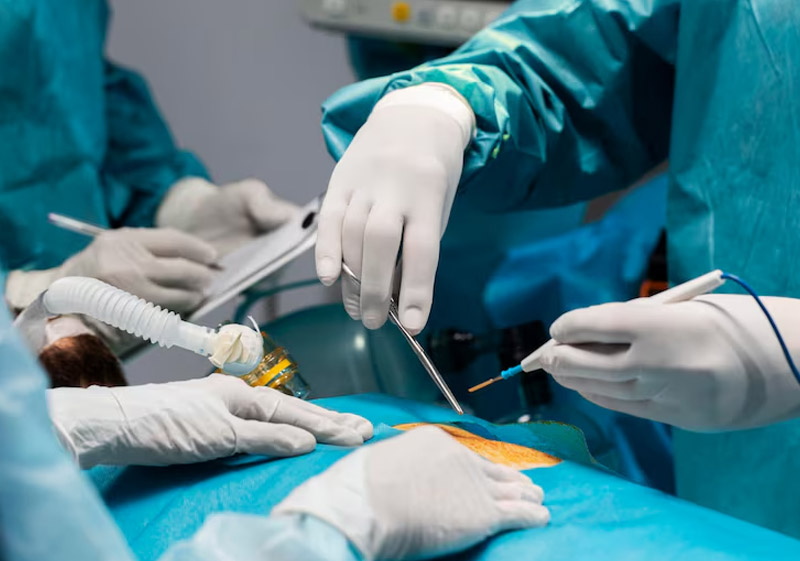
What hip replacement surgery involves
Pre-Op Workup
Imaging and a full health review to plan implant type and surgical approach.
Anaesthesia
Spinal or general anaesthesia, chosen based on your health profile.
Joint Access & Preparation
Damaged bone is prepared for the implant using a minimally invasive approach where possible.
Implant Placement
The prosthetic components are fitted and aligned to restore natural movement.
Closure & Early Mobilisation
Incision is closed; guided movement often begins within a day.
A patient-specific approach to hip replacement
Minimally invasive where possible
Surgical approach and implant selection are chosen to minimise soft-tissue disruption, aiming for a faster, more comfortable recovery without compromising the accuracy of implant placement.
Comprehensive post-operative care
Recovery doesn't end at discharge. A structured post-operative and rehabilitation program is built around your specific procedure, monitored through follow-up visits to keep healing on track.
Both fracture and elective care
Whether you're facing an urgent hip fracture or a planned procedure for long-standing arthritis, the same standard of pre-operative assessment and post-operative rehabilitation applies.
Rehabilitation after hip replacement
| Timeline | Recovery Milestone |
|---|---|
| Day 0–1 | Pain management begins immediately; guided movement or standing often starts within hours to a day, depending on the procedure. |
| Day 2–5 | Walking with a frame or crutches under physiotherapy supervision; hospital discharge planning begins. |
| Week 1–3 | Structured rehab continues at home or as an outpatient, focused on strength, balance, and range of motion. |
| Week 4–8 | Walking distance and independence steadily improve; most reduce reliance on walking aids. |
| Month 3–6 | Return to most daily activities and low-impact exercise, with continued strength gains. |
| Month 6+ | Full functional recovery for most patients, with the joint settling into long-term use. |
Wondering if hip replacement is right for you?
Life after hip replacement
- Affects long-term durability and wear rate
- Influences range of motion after surgery
- Tailored to your age and activity level
- Discussed and finalised during pre-op planning
What most patients regain
For most patients, the goal of hip replacement is straightforward: walking without the pain that arthritis or a fracture caused, sleeping through the night without hip discomfort, and returning to everyday tasks — dressing, climbing stairs, getting in and out of a car — without the joint limiting you.
Ongoing joint care
A replaced hip generally does well with normal, sensible use. Long-term follow-up visits let your surgeon monitor implant position and wear over time, catching any issue early rather than waiting for symptoms to appear.
What to watch for
Contact your surgeon if you notice new or worsening pain, swelling, warmth, fever, or reduced mobility at any point after recovery — these can occasionally signal infection, loosening, or another issue that's easier to address the earlier it's caught.
What affects the cost of hip replacement in Chennai
Cost varies from patient to patient rather than following a single fixed number — these are the main factors that influence it.
Type of Procedure
Total replacement, partial replacement, and resurfacing differ in implant and surgical complexity.
Implant Choice
Material combination (ceramic, polyethylene, metal) and fixation method affect implant cost.
Hospital & Stay Duration
Facility choice and length of hospital stay contribute to the overall cost.
Pre-Op Health Factors
Additional tests or specialist input needed for existing health conditions.
Rehabilitation Needs
Extent of post-operative physiotherapy required for your specific case.
Insurance Coverage
Cashless or reimbursement arrangements, where applicable, affect out-of-pocket cost.
FAQ
Common questions about hip replacement surgery
What is the difference between total and partial hip replacement?
Total hip replacement resurfaces both the socket and the ball of the joint and is used for widespread arthritis, while partial hip replacement (hemiarthroplasty) replaces only the femoral head and is most often used for certain hip fractures where the socket remains healthy.
What is hip resurfacing and how is it different from replacement?
Hip resurfacing caps the ball of the joint with a metal covering rather than removing it entirely, preserving more of the natural femoral bone. It's generally considered for select younger, active patients with strong bone quality.
Is there an age limit for hip replacement surgery?
There is no strict age cutoff. The decision is based on the severity of joint damage, overall health, and how significantly pain affects daily life, rather than age alone.
How long is the hospital stay after hip replacement?
Hospital stay varies by individual and procedure, but most patients begin walking with support within a day or two of surgery before continuing rehabilitation as an outpatient or at home.
How urgent is surgery after a hip fracture?
Hip fractures generally require prompt surgical assessment, as early treatment is associated with better recovery outcomes, particularly in older patients. Your surgeon will advise on timing based on your specific injury.
What are hip implants made of?
Modern hip implants typically combine a titanium or cobalt-chrome metal component with a ceramic or medical-grade polyethylene bearing surface, selected based on your bone quality, age, and activity level.
How long do hip replacement implants last?
Modern implants are designed for long-term use, with many patients getting many years of reliable function. Longevity depends on implant type, activity level, and individual factors your surgeon can discuss in detail.
When can I drive after hip replacement surgery?
Driving is typically resumed once you have adequate pain control, muscle strength, and reaction time to operate a vehicle safely, which your surgeon and physiotherapist will assess during follow-up visits.
Can I return to sport or exercise after hip replacement?
Many patients return to low-impact activities such as walking, swimming, and cycling after a full recovery. High-impact sports are approached more cautiously and discussed individually based on implant type and joint health.
What is revision hip replacement surgery?
Revision surgery replaces a worn, loosened, or damaged implant from a previous hip replacement. It is less common than primary replacement and is evaluated individually based on symptoms and implant imaging.
What determines the cost of hip replacement surgery in Chennai?
Cost depends on the type of procedure, implant material and fixation method, hospital and length of stay, any additional pre-operative health assessments needed, and rehabilitation requirements. A consultation is the most reliable way to get an accurate, individualized estimate.