
Home / Hip Treatments
Restore Mobility with Expert Hip Pain Treatment in Chennai
Specializing in hip pain treatments, Dr. Kanniraj is dedicated to providing relief from chronic hip pain and improving quality of life. Conditions treated range from hip fractures and labral tears to arthritis and bursitis — with both non-surgical and surgical solutions, including hip arthroscopy, partial and total hip replacement, and hip resurfacing.
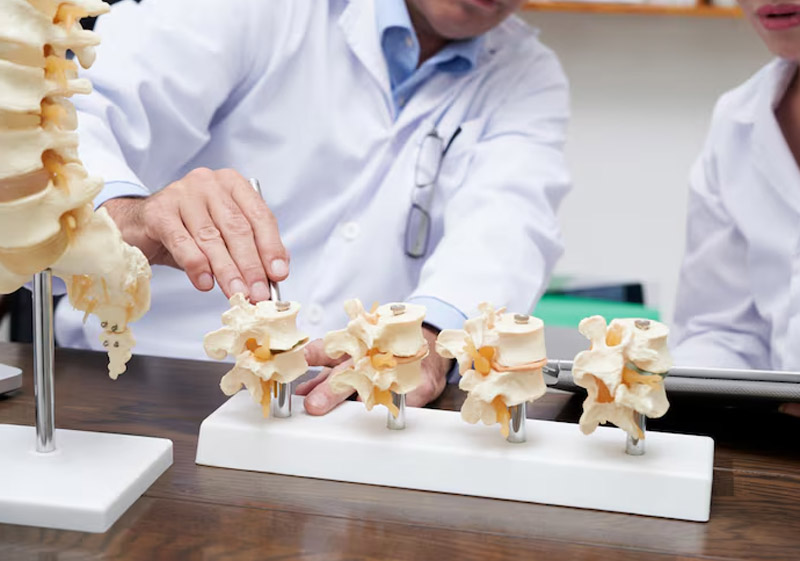
Common hip problems Dr. Kanniraj diagnoses and treats
From traumatic fractures to degenerative and inflammatory conditions, each case gets a precise diagnosis before any treatment plan is built.
Hip Fractures
Traumatic injuries, often from a fall, requiring urgent assessment and surgical fixation or replacement.
Labral Tears
Damage to the cartilage rim of the hip socket, causing pain, clicking, or a catching sensation.
Hip Arthritis
Cartilage wear that causes chronic pain and stiffness, managed with medication, injections, or replacement.
Hip Bursitis
Inflammation of the fluid-filled sacs cushioning the joint, often from repetitive movement or pressure.
Femoroacetabular Impingement
Abnormal bone contact in the joint that can lead to labral damage and early arthritis if untreated.
Avascular Necrosis
Reduced blood supply to the hip bone, causing pain and, over time, joint collapse if untreated.
Hip Tendinitis
Overuse inflammation of the tendons around the hip, common in runners and active patients.
Chronic Groin/Hip Pain
Persistent pain that hasn't responded to rest, often needing imaging to pinpoint the cause.
Comprehensive hip treatment options in Chennai
Utilizing the latest in diagnostic imaging and surgical technique, Dr. Kanniraj's approach is centered around minimizing invasiveness and maximizing patient comfort and recovery speed.

Hip Arthroscopy
Similar to knee arthroscopy, this minimally invasive procedure allows Dr. Kanniraj to diagnose and treat hip impingement, torn labrums, and early arthritis.
Read More

Hip Replacement Surgery
For severe arthritis or hip fractures, advanced techniques for total or partial hip replacement — and hip resurfacing for select patients — promote pain relief and improved mobility.
Read More

Non-Surgical Treatments
Depending on the cause of your hip pain, Dr. Kanniraj may recommend medication, physical therapy, injections, or lifestyle modifications to manage your symptoms.
Read More

What's actually causing your hip pain?
Hip pain rarely comes from a single cause. It can stem from gradual joint wear, a structural issue you were born with, a sudden injury, or inflammation around the joint — and the right treatment depends entirely on which one applies to you.
- Osteoarthritis — cartilage wear that builds up over years
- Femoroacetabular impingement (FAI) — abnormal bone contact in the joint
- Labral tears — damage to the cartilage rim of the socket
- Fractures — from falls, accidents, or weakened bone
- Bursitis and tendinitis — inflammation around the joint from overuse
From first consultation to full recovery
A clear, sequential process so you always know what happens next.
Diagnosis
Clinical exam and imaging to pinpoint exactly what’s causing your hip pain.
Treatment Plan
A plan tailored to your condition, lifestyle, and recovery goals.
Treatment
From injections and physiotherapy to arthroscopy or replacement, delivered with precision.
Post-Op Care
Comprehensive post-operative monitoring to keep recovery on track.
Rehabilitation
A personalized rehab program to rebuild strength, flexibility, and function.
Surgical vs. non-surgical: how the decision is made
| Factor | Non-Surgical Care | Surgical Care |
|---|---|---|
| Typically considered when | Pain is early-to-moderate, joint structure largely intact | Structural damage is significant or a fracture has occurred |
| Approach | Medication, physiotherapy, injections, lifestyle changes | Hip arthroscopy, replacement, or resurfacing |
| Recovery pattern | Gradual improvement over weeks with guided rehab | Structured post-operative recovery and rehabilitation program |
| Goal | Reduce pain and restore function while avoiding surgery | Correct the underlying structural problem directly |
Ready to talk about your hip pain?
If you’re experiencing hip pain, Dr. Kanniraj can help diagnose the underlying cause and recommend the most appropriate treatment plan to get you back on your feet.
FAQ
Common questions about hip treatment
What are the most common causes of hip pain?
Hip pain is commonly caused by osteoarthritis, labral tears, femoroacetabular impingement (FAI), bursitis, tendinitis, and fractures from falls or trauma. Age-related joint wear and sports-related injuries are among the leading triggers.
When should I see an orthopedic doctor for hip pain?
You should consult an orthopedic surgeon if hip pain lasts more than a few weeks, limits your ability to walk or bear weight, is accompanied by stiffness or a limp, or follows a fall or injury.
Is surgery always required for hip pain?
No. Dr. Kanniraj prioritizes non-surgical treatment first, including medication, physical therapy, injections, and lifestyle modification, wherever appropriate. Surgery is recommended only when conservative treatment does not relieve pain or restore function.
What is hip arthroscopy?
Hip arthroscopy is a minimally invasive procedure that uses a small camera and instruments inserted through tiny incisions to diagnose and treat problems such as labral tears, hip impingement, and early arthritis.
How long is recovery after hip replacement surgery?
Recovery timelines vary by individual, but most patients begin walking with support within a day or two of surgery, with a structured rehabilitation plan continuing for several weeks to months.
What is hip resurfacing and who is it for?
Hip resurfacing caps the ball of the joint rather than replacing it entirely, preserving more natural bone. It’s generally considered for select younger, active patients with strong bone quality, and suitability is assessed individually.
Where can I get hip treatment in Chennai?
Dr. Kanniraj provides comprehensive hip treatment in Chennai, covering diagnosis, non-surgical management, hip arthroscopy, and hip replacement or resurfacing, with personalized rehabilitation plans for each patient.